How Does Call Tracking Work? The Mechanics Explained Simply
Most people understand the idea of call tracking in one sentence: it tells you where your phone calls come from. The part that trips people up is the how. Tracking numbers, dynamic insertion, routing, attribution. It can sound like something only a phone engineer would touch.
It is simpler than it looks. This article walks through what actually happens from the moment a call is placed to the moment the data lands in your reports. If you are still deciding whether you need any of this, start with our overview of what call tracking is and come back here for the mechanics.
The Core Idea: Numbers That Carry Information
A normal phone number is just a way to reach you. A tracking number is the same thing with a label attached. When you assign a number to a specific campaign, the platform knows that any call to that number came from that campaign.
That is the whole foundation. Everything else is built on top of it.
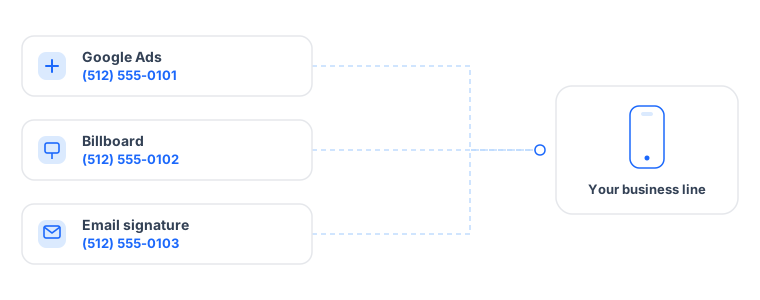
You can hand out different numbers for different sources. One for your Google Ads, one for a billboard, one for your email signature. The moment a call arrives, the source is already known because of which number was dialed. To go deeper on the numbers themselves, including local versus toll-free options, see our guide to call tracking numbers.
Tracking Website Visitors Without a Number for Each One
Static numbers work well for offline channels. Websites are trickier, because a single page can receive visitors from dozens of sources at once. You cannot show a different printed number to each one.
This is where dynamic number insertion comes in. A small script on your site detects how each visitor arrived, such as the campaign, keyword, or referring source, and swaps the phone number shown on the page accordingly. Two people viewing the same page at the same time can see two different numbers, each tied to how they got there.
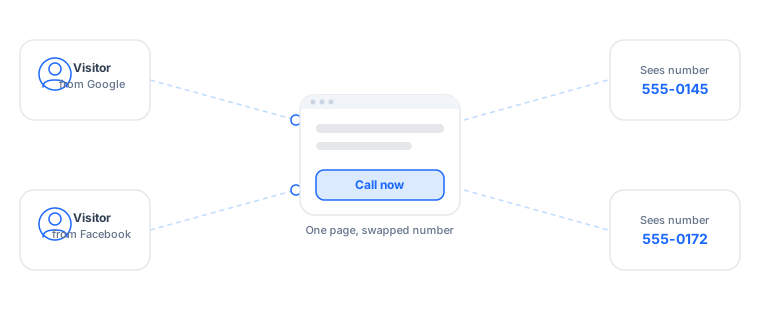
Because the swap happens per visitor rather than per page, you can track an unlimited number of sources from a small pool of numbers. We cover the technique in full in our article on dynamic number insertion, and the broader approach in our guide to website call tracking.
What Happens During the Call
Here is the sequence once someone actually dials.
The call hits the tracking number. The platform receives it first, not your office phone.
The source gets logged. Before anything else, the system records which number was called and what that number represents.
The call routes to you. The platform forwards the call to your real business line instantly. The caller hears ringing and reaches you normally. There is no noticeable delay and nothing that signals the call was tracked.
Optional rules apply. Many platforms let you decide where calls go based on conditions you set. You might send daytime calls to the front desk and after-hours calls to a cell phone, or route by campaign. A short call whisper message can play to your team first, announcing the source so they answer with context.
From the caller’s side, none of this is visible. From your side, a record is already forming.
Turning Calls Into Data You Can Use
After the call ends, the platform assembles a record. Depending on your settings, it can include the source, the keyword, the call duration, whether it was answered or missed, and a recording or transcript.
That record does not have to live in isolation. Call tracking platforms push the data into the tools you already use, such as Google Analytics and your ad platforms, so a phone call shows up next to your clicks and form fills instead of disappearing. Connecting calls back to the campaigns that caused them is the heart of phone call attribution, and it is what makes the whole system worth running.
Why the Mechanics Matter
Understanding how it works helps you trust the numbers and set it up correctly. A few practical takeaways:
- The caller experience does not change, so you are not trading conversions for data.
- Dynamic insertion lets you scale tracking across many sources without buying a number for each.
- Routing rules mean tracking and call handling improve together, not separately.
- The data is only useful if it flows into your reporting, so integrations matter as much as the numbers.
If you advertise on paid search, the same mechanics let you tie calls to individual keywords, which is the basis of PPC call tracking.
See It in Action
The fastest way to understand call tracking is to watch a few of your own calls get attributed. Once you see a real campaign light up with real conversations, the mechanics stop being abstract.
You can explore the full feature set on the Analytic Call Tracking page, or start a free trial and route your first tracked call today. The setup takes minutes, and the blind spot it removes has probably been costing you for years.
Call Tracking Software for…
SEO & PPC
End the uncertainty of marketing campaigns with Analytic Call Tracking.
Try FREE for 15 daysNo credit card required. Cancel anytime.